Two Approaches to Creating Digital Copies of Cultural Monuments
One of the areas of work of United 3D Labs is high-quality photorealistic digitization of historical monuments and sites as part of cultural heritage preservation programs.
To create digital twins, United 3D Labs specialists use laser and 3D scanning, photogrammetry, and conventional and aerial photography to collect a huge amount of accurate data on the appearance of a cultural monument. The raw materials are then systematized and processed, and the result is a digital copy of the historical site, reproduced in virtual reality with photorealistic quality and millimeter accuracy.
Besides the (in a sense, technical) tasks of preserving the visual appearance of monuments in case of possible disasters or for restoration work, digital copies serve to educate everyone interested and introduce them to the country's culture. These tasks are no less important, and sometimes far more important, than simply reproducing the appearance accurately. Virtual tours, for instance, serve primarily these very goals. For restoration or scientific work, on the other hand, it is much more convenient and familiar to study a digital twin on a monitor screen than in virtual reality.
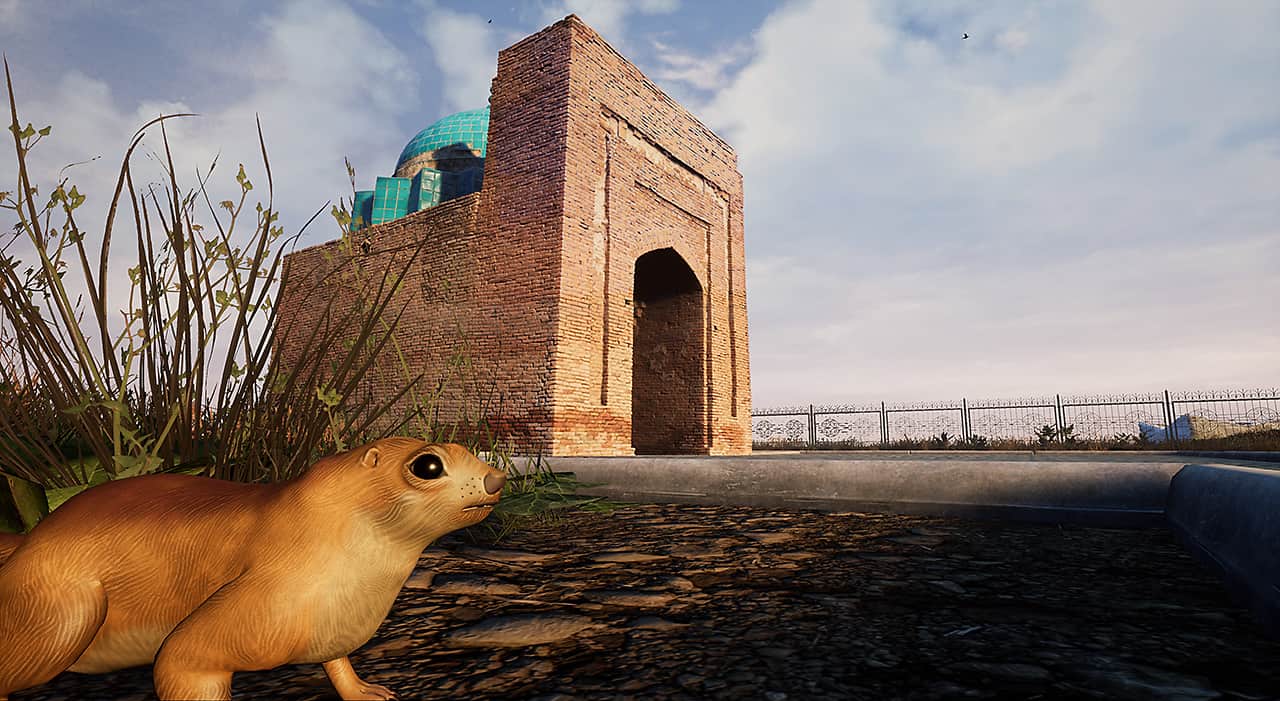
And here a question arises whose answer is far from obvious: what exactly should be considered a digital copy of a site? The site as it is today, often partly destroyed by vandals, worn by time or simply rebuilt? Or the site as it once was, its original appearance recreated from surviving historical documents or even simply from one's own assumptions? In the real world there is not much choice: we have a structure or its ruins, and that is what we restore. If something is built from scratch according to ideas about the original design but with modern technologies and materials, it gets the somewhat dismissive name of a "novodel", a modern imitation. But in the virtual world, things are different! Both a digital copy of the monument's present state and a digital image of its original appearance have an equal right to exist.
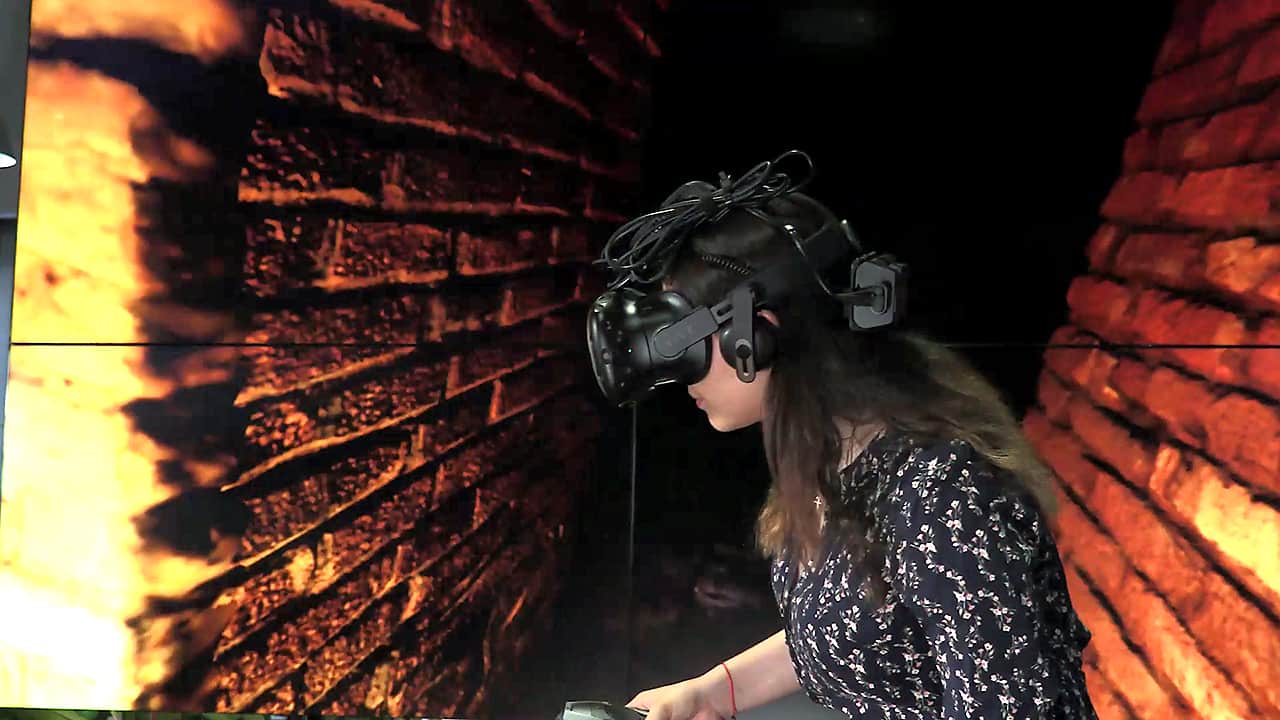
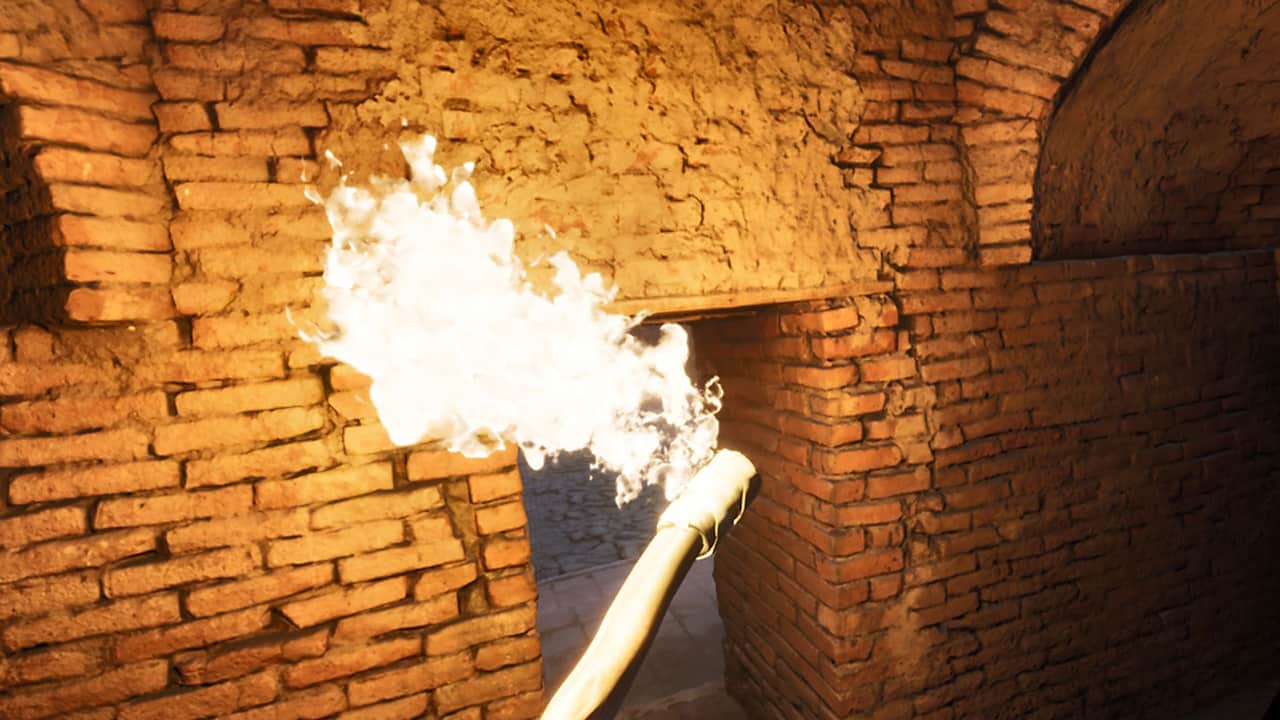
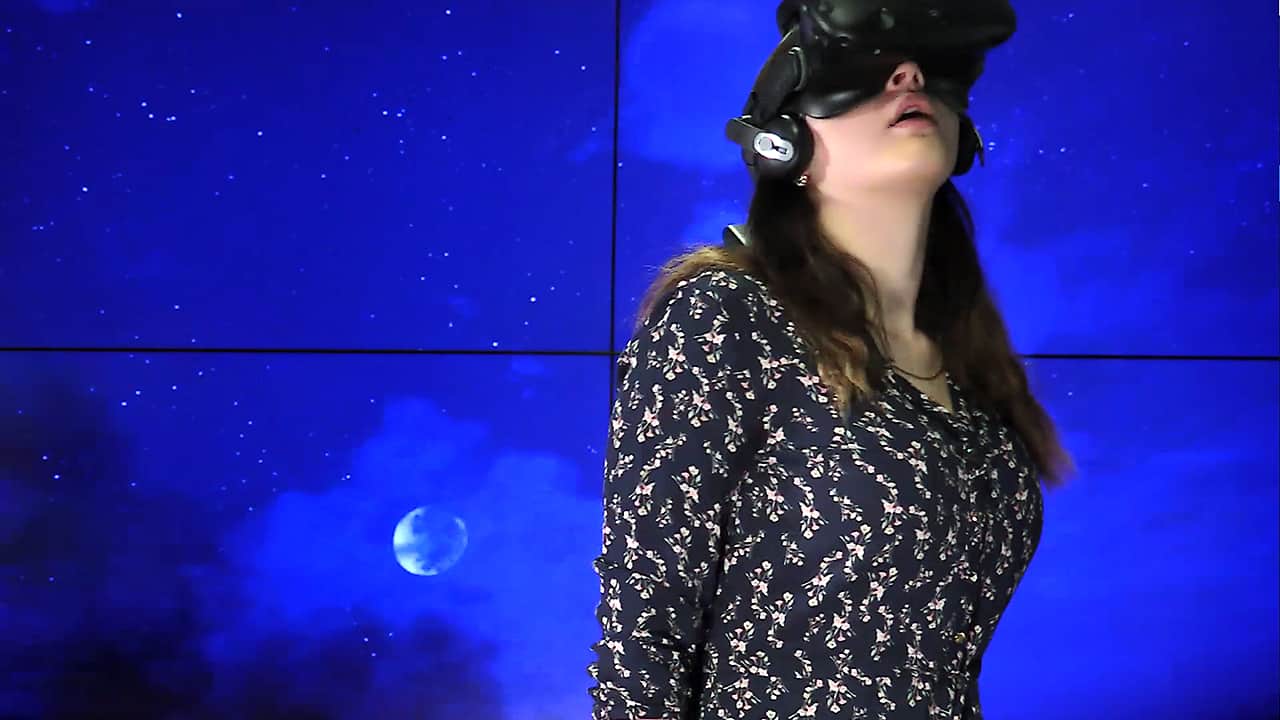
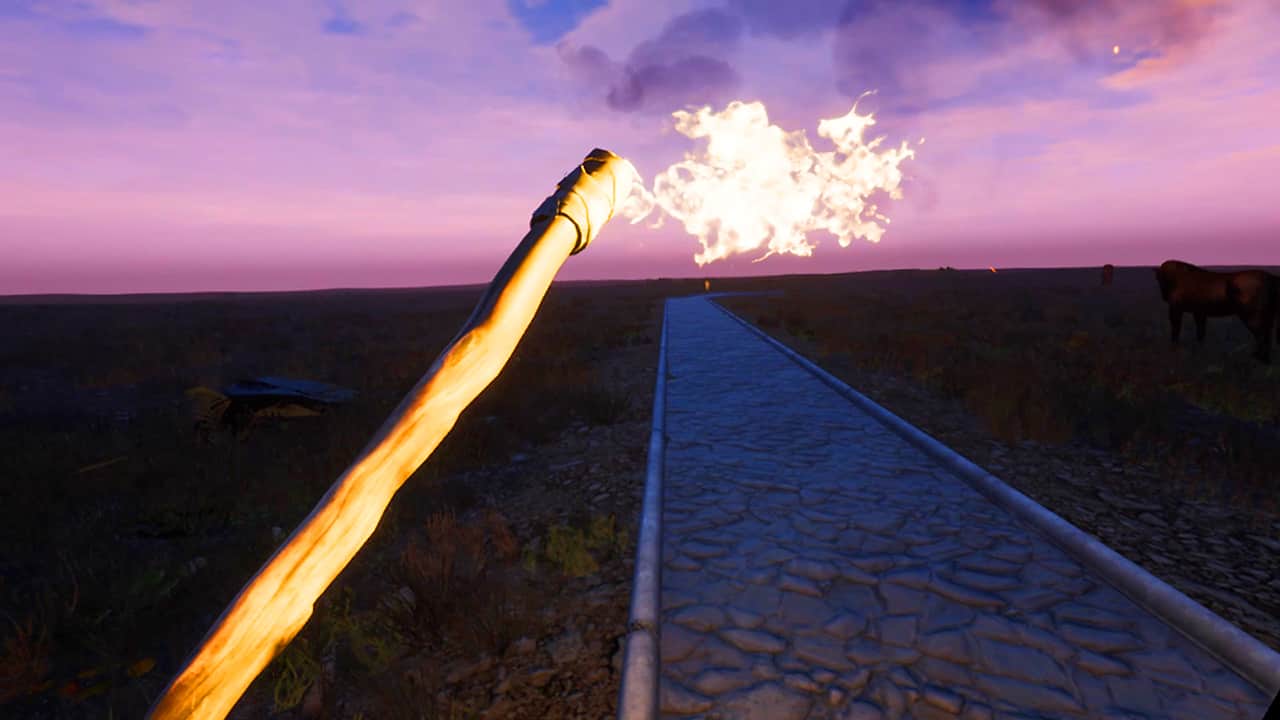
A digital copy of a mausoleum can look as if it had just been built. What is more, you can walk through it by day or by night, lighting your way with a smoking torch. And at a suspicious rustle, swiftly draw your trusty saber from your belt. Of course, this approach differs from the views on heritage preservation that are usual in the museum world. Too much like a computer game? Yes, it is. But who said that is bad, or that schoolchildren cannot learn the history of their country through play? And what is history, anyway? The ruins of once-great buildings? Or events in which anyone can take part, transported by a virtual time machine?